
Action Replay – Stay on the safe side
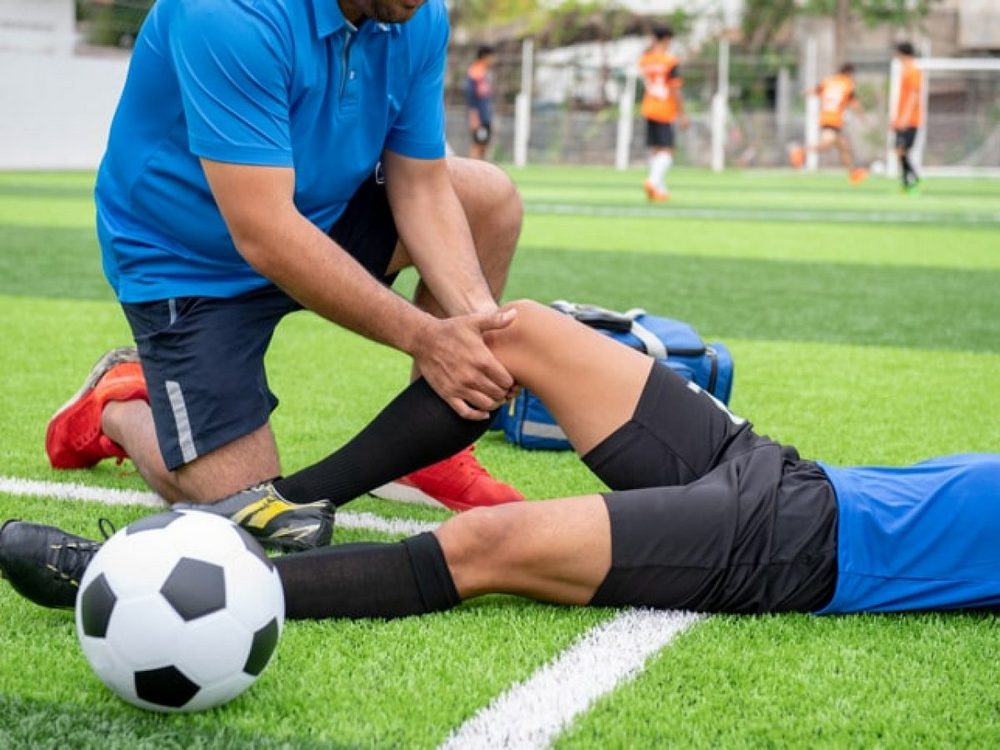
Sport can be dangerous. You can fall or be hit by someone or something, or else overdo the physical activity. It’s obviously not like working down a mine or on a construction site, but people taking part in sport, whether as professionals or amateurs, can sustain injuries or even get killed. It is not just horses that die in racing, as sometimes jockeys do too. For instance, in 2024 a jockey died at a point-to-point race in Kent.
In August a cyclist was killed on the Volta a Portugal, when a non-race vehicle travelling in the opposite direction crashed into him. The road was not fully closed to other vehicles, and the riders’ union was ‘speechless and filled with anger’ at his death. Last year a cyclist died on a descent during a race in Italy, apparently after striking a bump in the road and losing his helmet.
In football it is well known that heading a ball can cause brain injuries. England player Nobby Stiles, who died in 2020, had headed a ball thousands of times, which contributed to the Alzheimer’s that caused his death. Women players appear to be more susceptible to brain injuries from heading, and it has been suggested that heading be banned for all players under 11. The leather footballs that were once in frequent use were heavy, especially when wet, and lighter synthetic balls are now commonly used, but that doesn’t remove the risk entirely.
Players of American football (gridiron) have been shown in recent research to have a death rate from a degenerative brain disease about four times higher than the general population. Most of the head impacts had apparently occurred at collegiate or high school level. Back in 2016, the National Football League agreed a billion dollar settlement with over five thousand retired players who had brain damage as a result of concussion.
Tackling in rugby can lead to concussion, but also to injuries to legs, arms and the spine. Tacklers are encouraged to hold their head to one side of the ball carrier, never in front of the carrier. As in football, blows to the head affect women differently from men, with female players more susceptible to concussion. Deaths are rare, but do happen; fifty years ago, for instance, a Swinton rugby league player died after breaking his neck in a match.
Combat sports such as boxing are of course the main source of deaths. On average, thirteen deaths occur each year, including two or three in amateur contests. The number of serious injuries is much higher.
Over the decades the regulations and protocols intended to prevent and treat sporting injuries have been improved, and it is good to see men and women being treated differently when appropriate. But deaths and serious injuries still occur.
PB