
Action Replay – You can’t play here
Probably the best-known example of a sporting boycott was that of South Africa under apartheid, which lasted from 1964 to 1992 and involved not just cricket and rugby tours but also the Olympic Games. As other examples, the US and other countries boycotted the 1980 Olympics in Moscow after the Russian invasion of Afghanistan, and in 1984 the Soviet Union and others boycotted the 1984 Olympics in Los Angeles.
An alternative to a complete boycott has been to allow athletes from specific countries to compete, but as ‘neutrals’ rather than representing ‘their’ country. Russian athletes have only been allowed to compete as neutrals in recent Olympics, so no national anthems if they win a gold medal. Athletes from Russia and Belarus have been barred too, but at this year’s Winter Paralympics they were permitted to compete under a national flag. This is supposedly because there is now less evidence of Paralympic sport being used to promote the invasion of Ukraine.
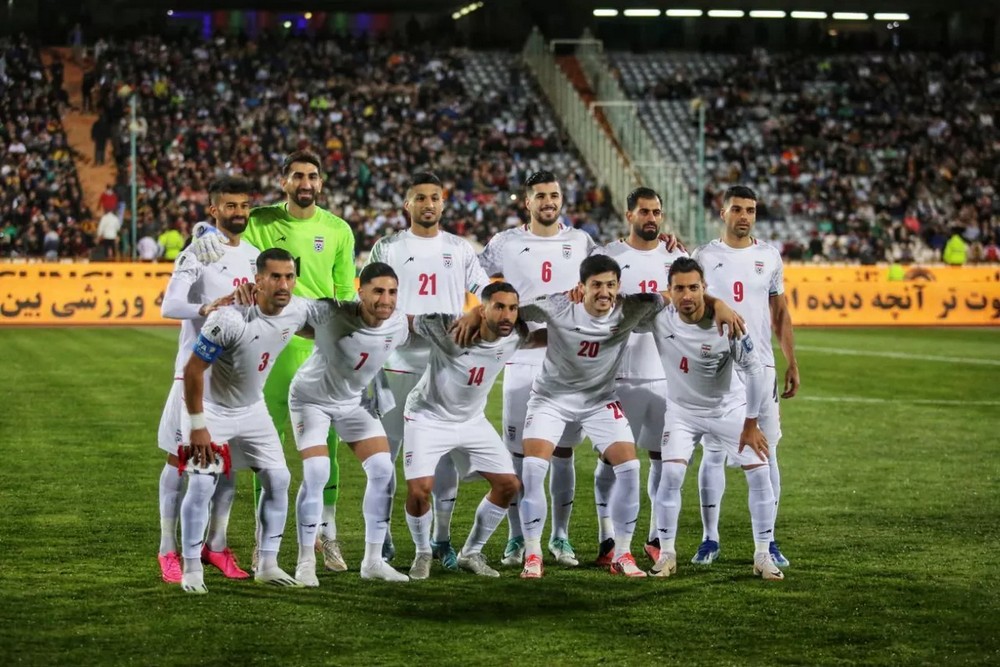
Suggestions of a boycott have also been raised concerning this summer’s Football World Cup. Iran has been attacked by massive US and Israeli air strikes; their football team was due to play its three qualifying group matches in different US cities, and the head of Iran’s football federation wondered if participation would be possible. Donald Trump has generously said that he doesn’t care if Iran takes part, describing it as ‘a very badly defeated country’. The Iranian Minister of Sport then stated that the country would not be able to take part.
There has also been speculation about countries such as England and Germany not participating because of US global policies, travel bans and the viciousness of ICE. However, it seems likely that there may well be contracts between FIFA and the English FA about taking part, which would mean that a boycott could break any contract and so lead to sanctions.
This year’s cricket T20 World Cup also led to controversies over who should play, and where. The tournament was co-hosted by India and Sri Lanka, and tensions among South Asian countries gave rise to many problems. The Bangladesh Cricket Board said that on safety grounds its team would not travel to India, as it was scheduled to do, and requested that its games all be moved to Sri Lanka. When they refused requests to change their stance, they were removed from the competition by the International Cricket Board.
Then the Pakistan government said its team would not play against India, though it then changed its mind and the match took place. India vs Pakistan is a huge game at any tournament, so big viewing figures and revenue were no doubt a consideration here.
You can’t help wondering if boycotts really have any impact, or whether they mainly occur to make some people feel good.
PB