
Pathfinders – The magic gadget IRL
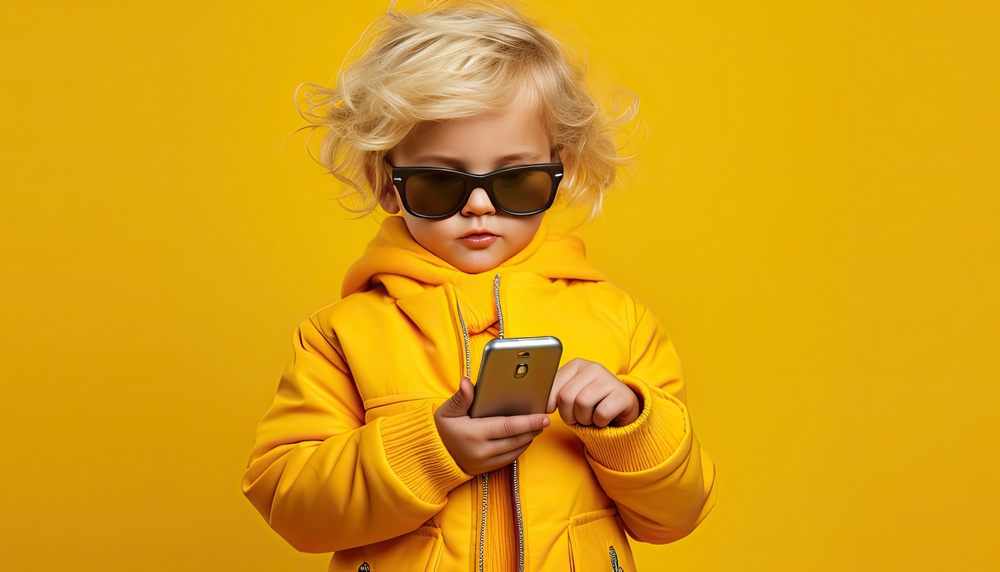
30 years ago in 1996, some were learning to use email, home computers and the embryonic worldwide web, but most families still shopped in the high street, looked up numbers in the phone book and watched ‘terrestrial’ telly together in the sitting room. Kids who wanted alternative amusement ended up hanging out with mates on park benches or outside supermarkets in the winter cold. Gay teens had no local community of peers to turn to. Neither did those with hobbies, or growing-pain problems. For them, the world in real life (IRL) was limited and limiting.
But, IRL, there was also no FOMO, no sexting, no doxing, no doomscrolling, no cyberstalking or cyberbullying, no revenge porn or ‘nudifying’ of classmates, and no pro-suicide chatrooms. Smartphones and social media (SM) have revolutionised the childhood experience, and not necessarily in a good way, as BBC Radio 4 reported (7 December): ‘Alongside the widespread adoption of smartphones has come a tidal wave of adolescent anxiety, depression, loneliness, and a spike in suicides’. Now Australia has banned access to ten of the biggest SM sites for under-16s. Communications Minister Annika Wells explains: ‘Teenage addiction was not a bug, it was a design feature, and on 10 December there are going to be withdrawal symptoms. […] With one law, we can protect Generation Alpha from being sucked into purgatory by predatory algorithms described by the men who created the feature as “behavioural cocaine”‘.
Many countries now ban phone use in schools. Australia started doing this back in 2020, with support from teachers and parents alike. All claimed a degree of success. However the bans were not well coordinated, and subjective reports of greater engagement and improved mental health may be the placebo effect at work. A Birmingham University study looking at 1,227 students in 30 secondary schools found no evidence of changes in grades, amount of sleep, class behaviour, or even time spent on phones.
Australia’s latest action, with popular support, could trigger a global cascade of similar legislation. SM firms already face a landmark US trial this month. China, with basilisk totalitarian vigilance, uses spyware to restrict SM use and game playing by its youth, with a 40-minute daily limit for SM and 3 hours gaming per week. The UK 2023 Online Safety Act (OSA) instead demands that SM companies take ‘reasonable steps’ to protect children. Good luck with that. SM lawyers will have a field day.
It’s not just teens. Ofcom estimates that 1 in 4 UK children aged between 5 and 7 have a smartphone. Parents say they buy these phones for safety reasons to do with the child being contactable and trackable. But satellite-tracking a five-year-old is not the way to keep them safe. In truth, overworked adults managing multiple jobs and kids may well find the magic gadget of infinite games and videos hard to resist, given that it shuts their child up like nothing else and besides, if all the other kids have one, their child runs the risk of being victimised for looking poor.
Radio 4 interviewees speculate that the Australian ban could be a useful research opportunity. That’s if it works, but it probably won’t. One 13-year-old got round the ban in less than five minutes. And if one kid can do it, they all will, because of peer pressure, and because the industry wants to lock them in, not out, and because it will regard regulatory fines as the paltry cost of doing business. The new OSA age-verification rules for porn sites are also probably doomed. There has been a huge increase in downloads of VPN apps which hide the user’s IP address. With a conservatively estimated 240,000 online porn sites, Ofcom regulators face an uphill struggle to ensure compliance. So far they’ve taken action against just 70, leading insiders to argue that the new rules are effectively unenforceable.
And then there is the law of unintended consequences which produced this generational mental health crisis in the first place. Regulating the top SM sites might end up funnelling users to even worse places, like regulation-exempt gaming chatrooms, notorious as extremist rabbit-holes.
But, one might argue, why pussyfoot around imploring SM firms to take responsibility, why not just ban smartphones for kids altogether? The UK’s Education Select Committee last year recommended exactly that. But capitalist governments have bigger things to worry about, and unlike China, are generally leery of voter blowback for ‘nanny-statism’.
Even so, some young self-styled neo-Luddites are opting to downsize to ‘dumbphones’ that have no social media, with a view to clawing back their free time. As one manufacturer puts it, SM entrepreneurs are obsessed with monopolising their users’ engagement time, whereas users should be saying ‘What about me? What about my time?’ He continues: ‘The problem is not the device, it’s the business model: the attention economy. Every free app, every social media platform, every browser, is trying to maximize engagement so they can make money collecting data and categorizing people into different groups so they can sell it to advertisers’.
Unfortunately for neo-Luddites, dumbphones offer a near-zero margin, so tech firms ‘have little incentive to cater to dumbphone users, whose revenue potential is relatively miniscule – that is, if they can even make the economics of manufacturing the devices work at all’.
It’s a tragic indictment of capitalism that social media started by connecting people, and is now arguably complicit in global disinformation and child abuse. Now, encouraged by Trump, SM firms are even ditching their fact-checkers. Perhaps Gen Z parents, having seen the damage for themselves, will refuse to allow their Gen Alpha kids to go through it. The bigger long-term tragedy for Gen Alpha, whether they’re on social media or not, is that their future IRL will be one of relentless capitalist exploitation and wage slavery. If we really want to stop not just child abuse, but human abuse, abolishing capitalism IRL is the only way.
PJS
(Facebook review, page 20)