
Proper Gander – Theroux the keyhole
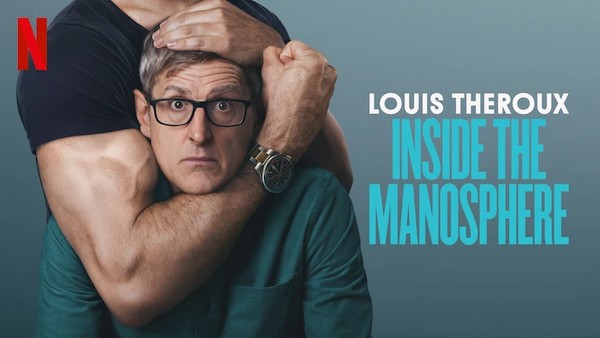 Louis Theroux has built up his career as a documentary-maker since the 1990s, with his trademark approach being to patiently spend time among society’s stranger subcultures to learn about what motivates the people within. The subjects of his latest film are prominent figures in the ‘manosphere’, a loose online network which upholds hard-line versions of masculinity. Netflix’s Inside The Manosphere follows Theroux as he meets influencers who have amassed millions of young male fans through their social media platforms, livestreams and podcasts. Their content extols their values of conspicuous wealth, sexism and conspiracy theories, with the influencers all living extravagant lifestyles and exuding confidence, giving their views plausibility among their impressionable followers.
In Marbella, Theroux visits Harrison Sullivan (aka HSTikkyTokky) and Ed Matthews, whose online content includes videos of macho fitness tips and ‘predator stings’ confronting alleged paedophiles. Sullivan becomes suspicious that Theroux is trying to catch him out and cuts short the time he agreed to spend being interviewed, although he later backtracks after his videos about their first meeting attract more clicks. While Sullivan and Matthews represent the ‘laddish’ style of influencer, Justin Waller from Louisiana is more measured, wearing tailored suits as he drives Theroux around in his Lamborghini. Waller’s material combines business advice with a disdain for feminism, saying women tend to prefer traditional family roles. He and his wife are in a ‘one-sided monogamous’ relationship, and it’s not him who’s monogamous. This arrangement is also a preference of the Miami-based influencer known as Myron Gaines, who claims women ‘want a guy that can lead them and dominate them’. Theroux sits in during Gaines’ Fresh & Fit podcast in which his female guests get objectified, belittled and embarrassed. As Theroux later comments, many of the influencers ‘advocate for traditional values while at the same time wanting to be seen with scantily-clad models’.
The confidence which influencers have in their derisory beliefs about women’s roles comes from their ‘red pill’ ideology. This is a reference to the 1999 film The Matrix, which we’re told in this context means seeing through the mainstream media’s discrimination against men, although ‘redpilling’ is usually shorthand for adopting a far-right viewpoint. New Yorker Sneako is among the more politicised of the influencers Theroux meets. Alongside being a Muslim Trump-supporter, he claims satanists run the world, leaving clues in pictures of celebrities using ‘one eye’ symbolism and telling people such as singer Sam Smith to become transgender. Predictably, he adds that the aim of this satanic cabal is to establish a single global government. While Sneako denies this is Jewish, other influencers share the conviction that a small group of Jews are behind a plan to promote degeneracy through manipulating culture, especially gender politics.
The outlook spun by the influencers is really a convoluted way of enticing people to buy the financial products they have a stake in. Theroux tests one of Sullivan’s investment opportunities and loses most of the £500 he paid in. Sullivan is at least honest in admitting that what drives his material is what makes money for him rather than what is considered right or wrong. An example is when he says he was ‘clip-farming’ by including antisemitic content while not believing it, as he knew this would generate attention. Getting exposure in order to gain more supporters and therefore customers is the priority. The notion that ‘there’s no such thing as bad publicity’ would apparently be confirmed after Inside The Manosphere was released, with Sullivan accruing more followers because of the coverage it has given him, according to an article in the Metro (7 April), which itself represents more promotion.
As the focus of the show is Theroux meeting people, not much time is spent analysing the manosphere’s place in society. This approach either admirably allows the viewer to reach their own conclusions or disappointingly makes the programme feel shallow. Theroux posits how the upbringing of the influencers may have contributed to their mindset in that many of them lacked a supportive father figure, perhaps affecting their attitudes to relationships, such as ‘one-sided monogamy’. More widely, he says they are ‘products of a culture – growing up online in a world that’s changing at dizzying speed’ with long-established male roles challenged. He adds that they now project their trauma by ‘spewing hate’ to an audience of young men looking for something to feel they belong to, preferably with money to buy financial products. The fans of the influencers we see in the documentary clearly feel empowered by what their heroes advocate. Theroux recognises that while the influencers offer hope to troubled men, it comes with a belief that they are living in ‘a matrix purposely designed to make men fail’. He suggests ‘the matrix they rail against more accurately describes the algorithmic prison they’ve created for their followers, an illusion of endless wealth and power that actually only enriches a few at the top’.
The personal traumas which shaped the mindsets of each influencer and follower happened in a world which is ‘designed to make men fail’ (and women too, often in different ways). This is the divisive world of capitalism, driven by aspirations of wealth amid poverty and power amid powerlessness. They have misinterpreted this, though, and don’t identify the economic system itself as structurally creating (nearly all) people’s disadvantaged position, but instead blame the ‘matrix’ of feminism and a supposed Jewish cabal. This poisonous stance has proved lucrative for the influencers because it attracts attention online among vulnerable men, reinforcing a worrying association between wealth and bigotry. The confidence with which this mentality is promoted disguises its errors and contradictions, such as its ridiculous ‘evidence’ for a Jewish / satanic conspiracy and the hypocrisy of its attitudes to women. For an ideology apparently based on dogged independence it relies heavily on fan worship of the influencers. The ‘manosphere’ is both an expression of the alienation which comes with living in capitalist society and a dangerously misguided attempt at compensating for that alienation.
MIKE FOSTER