
Life and Times – Does it deserve a hug?
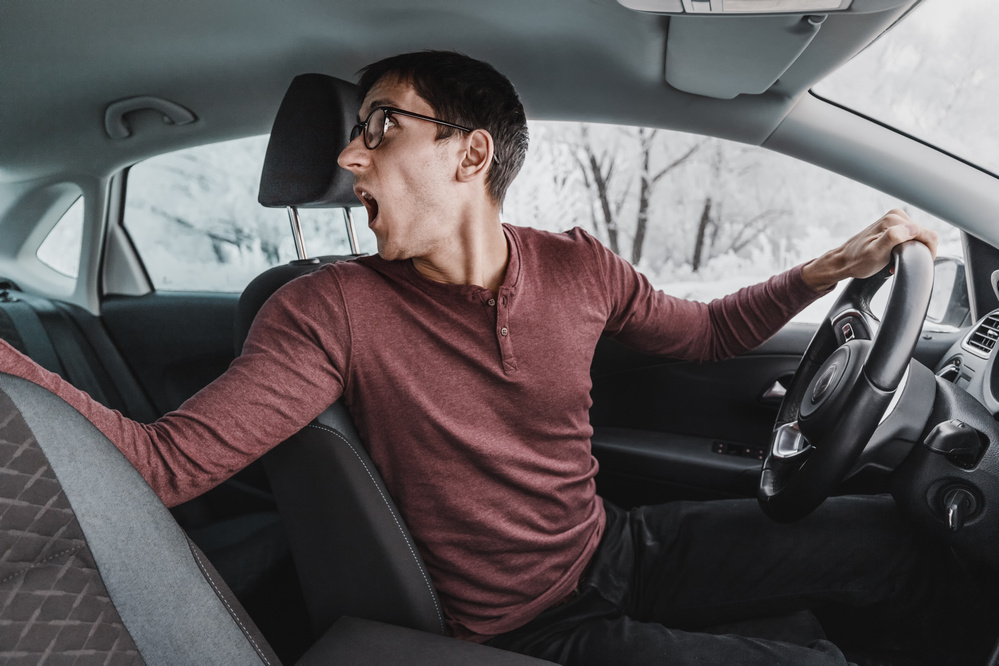
Setting off from home to go shopping I drove to the end of my street. I stopped to look left and right before crossing over to the street on the other side. I obviously didn’t look hard enough, because, before I’d got halfway across, a car coming from the right had already reached me. We both came to a stop. I acknowledged my mistake with a wave and backed up to let him though. Bang. I’d backed into another car, one that had come up behind me. I hadn’t seen it because I hadn’t looked in my mirror. So two boobs in quick succession. I found a place to park, got out of my car and prepared to face the music. But that’s not what happened. The young woman who had got out of her pranged car had a gentle smile on her face. ‘It doesn’t matter about my car’, she said, ‘it was already a bit messed up down there. Don’t worry’. We had a look and, sure enough, the probable area of contact did have various marks and scratches and it was hard to know if any of them were new. I thanked her. But she was keen to see if my car had any damage and she came with me to look. There didn’t seem much there either, but she kept on showing concern and said ‘Do you want to do anything?’ ‘Me, no,’ I said, by this time feeling very humbled. We walked back to her car and I noticed a little boy, maybe her son, sitting in it, and I felt truly moved. After all, the bump must have given him a shock, yet that didn’t stop her being concerned about me. Then she said ‘Does it deserve a hug?’ Wow, obviously it did.
After I got home, I thought ‘Right, I’m going to share this story on the local community Facebook page’. That’s what I did, and I ended it by saying ‘I felt really privileged to have seen the best of human nature’. The response it brought was pretty overwhelming. Apart from 150-odd ’likes’ within a very short time, written replies included: ‘Lovely story. Given the chance human beings are loving, considerate and cooperative. It’s this dog-eat-dog society that warps what we all do so well … get on with each other’; or ‘That woman should rule the world’; or ‘What a wonderful human being.’
Yes indeed, but actually the way I see it is that we are all, potentially at least, ‘wonderful human beings’, if, as that first message said, we are ‘given the chance’. And that’s the trouble with the society we live in. The nature of it means that so many of us aren’t given enough of a chance to ‘get on well with each other’. We are driven to value personal gain and status over making a difference to the community we live in and improving life for those who live in it. Yet, despite this, the natural human desire to cooperate and be empathetic towards others still manifests itself so often in so many and varied ways. It may just be something as simple as giving right of way to other road users when driving or giving up our place in a queue when someone else is more in a hurry than we are. In fact, as nicely illustrated in a recent post on the BBC news website, small, everyday acts of kindness are legion. And, of course, larger examples of human solidarity may be found in the enormous amount of volunteering that takes place – in charities, lifeboat work, open-source coding, community organising, and so on – where people give their time and expertise to make life more liveable for others.
A recent study carried out by two American university scientists analysed responses from almost 1 million individuals spread over more than 100 countries, taking into account different cultural contexts, age ranges, socioeconomic levels, and time periods. They found that the vast majority reported performing acts of altruism because they were interested in the well-being of others, not because those acts benefitted them in any material way. One of the researchers concluded: ‘People are more likely to want to be remembered for making a difference, helping others, and improving the world, and to value things like caring over status or personal gains’. Another new study, published in the Journal of Archaeological Science, has found that the human capacity for emotional self-awareness has allowed humans ‘to make long-term commitments to one another’s well-being, to tolerate frustration, to plan collectively, make sacrifices, and to trust others’. It goes on to assert that, though in popular belief, ‘compassion and sensitivity are sometimes cast as weaknesses that need to be weeded out in an unforgiving, competitive world where only the strongest survive’, in reality ‘one of humanity’s greatest strengths was never just ego or ruthlessness, but profound emotions and our extraordinary ability to turn those feelings into cooperation’. In other words we are the furthest thing imaginable from crude portrayals of us as naked apes competing with one another for material gain.
So while the driver whose car I banged deserves obvious praise for the caring and selfless way she reacted, such behaviour is not in fact as exceptional as it may seem. It’s just that ‘normal’ human behaviour, though it’s around us all the time, generally doesn’t ‘make the news’ precisely because it is so normal. It doesn’t get reported and so we don’t hear about it. What we hear about rather, though it happens far less commonly, is the ‘bad news’, when humans behave meanly, cruelly, and anti-socially towards one another. The amazing thing is that, though we live in a profit-driven society which impels that ‘dog-eat-dog’ attitude, the opposite form of behaviour is so overwhelmingly prevalent. This bodes well for how easily we will fit into the democratic, cooperative, free access system of society which socialists look forward to seeing established and in which people will find fulfilment and purpose beyond incentives of reward, prestige or celebrity.
HOWARD MOSS