
Britain’s energy trilemma
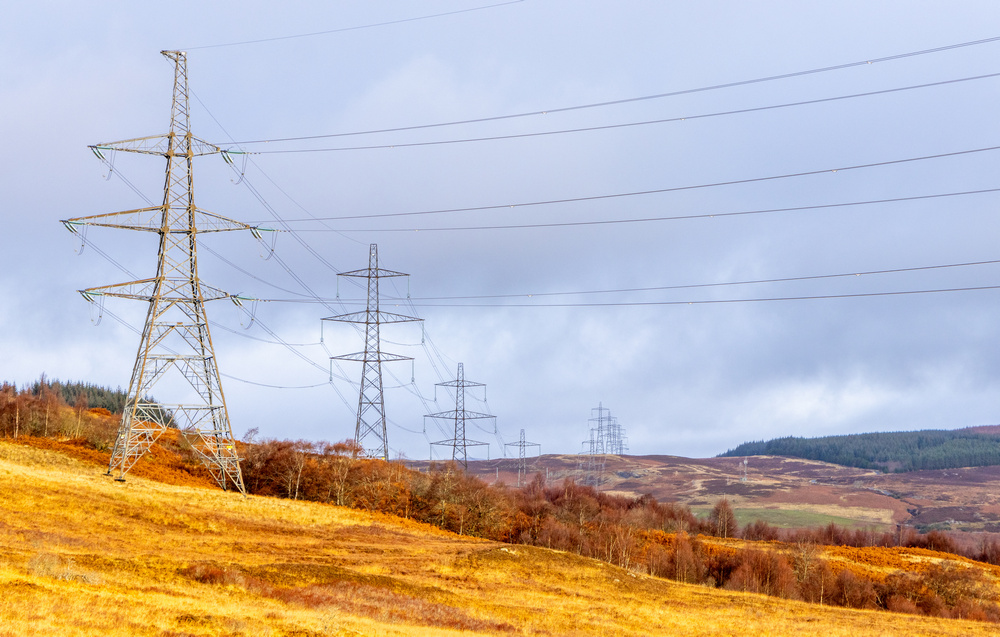 The approach of the UK government to energy is characterised by a trilemma. It tries to balance out the need to reduce carbon emissions, supporting national energy security and control the costs of the transition. The hidden premise behind all of these, is the class nature of society and the need for the government to negotiate with the owners of energy generating resources, without threatening their control of their property and securing a tribute from them to allow the change.
People speak about the costs of transferring to renewables. Initially this was largely down to the fact that the infrastructure for generating energy through fossil fuels already existed. The cost of energy, like any commodity, depends on how much labour it typically takes to produce it. Capital, that is past labour, reduces the need for fresh effort. So, no good or process has an inherent cost, just the relative cost of how much society is geared towards carrying out the activity.
Renewables and other sources of generation originally appear more costly compared to oil and gas, but that is only because the means of obtaining and using the latter are already in place. To build a renewable energy network within a capitalist society means persuading the owners of capital that there will be profits to be made in carrying out that activity: but the structural advantage fossil fuels have means that the markets, of their own accord, will not promote this change.
UK government has created designed markets. Renewable Obligation Certificates were used, as a means of transferring payments from people who obtain their electricity from fossil fuels to renewable companies. These are still supported by the government, but the scheme is closed, and has been replaced by Contracts for Difference (CFDs): the government auctions off licences to supply energy at a fixed cost, the supplier will repay any excess income, or be paid if market prices for electricity fall below the fixed ‘strike price’. This removes volatility from the market, and allows capitalists to invest with an almost guaranteed rate of return.
Even then, there have been auctions where few firms applied at the stated strike price, and the government has had to raise their offer in order to entice more investment.
Finally, there is a cost of ‘balancing the grid’, paying producers to stop producing or start producing, to offset the unbalanced and intermittent nature of renewables (or if, say, the wind is generating energy too far away from where the grid can carry it to be used adequately). This is expected to reach a cost of £8 billion per year by 2030. Effectively transferring profits to the energy producers via taxation.
The overall market price tends to be set by the most expensive resource, which in the case of energy, is unsubsidised gas on the world market. The loss of Russian gas from the market (and the wider shocks of the Russia-Ukraine war) has pushed the cost of gas up, which means, overall, we have seen significant upward pressure on energy bills, which in the end hit the consumer. Those on fixed incomes will bear the brunt, whilst workers in employment will struggle to pass on the burden to their employers.
This isn’t helped by the anti-democratic approach governments take. In order to hide their powerlessness in the face of the capitalists’ interest, they simply plough on with the policy behind closed doors. The system of subsidy and incentive is opaque (at best) alongside the complicated character of the energy markets that have grown up. Most people will only see the cost of heating their homes going up.
Into that space step voices which claim climate change is a hoax, that subsidies to renewables are making electricity more expensive and that if we just resumed extracting fossil fuels bills would come down. Such voices have the backing of some in the energy industry, or other capitalists who rely on cheap energy for their operations. They would put immediate profits against the cost of the effects of climate change (or even gambling that the costs won’t affect them primarily).
In the meantime, the changes already made have been impressive. In 1991, according to the National Grid, only 2 percent of electricity came from renewable sources compared to over 50 percent by 2023. Coal has been practically eliminated as an electricity generation source. The UK has a target of <50gCO2 per kW hour, in 2023 the average was 140g. Nonetheless, total emissions were 50 percent of those in 1990.
Total renewable energy generation needs to double by 2030 to stay on track. Most of that, apparently, is planned. This will be helped by the tumbling of the costs of renewable generation on a global scale, partly due to China’s massive investment in renewable energy. Although over half of China’s electricity comes from coal, growth of coal generation there is slowing, and renewables are expanding faster. This enables China to export renewable technology. For the first time, this year, less than 50 percent of a growing electricity output worldwide came from non-renewable sources.
This fall in costs, though, presents a problem for the subsidised capitalists, as it means that overall renewable electricity generation will never be as profitable as they would hope.
As we build socialism, we will be confronted by the context of climate change, and will inherit the energy system as it is now. Obviously, we would be able collectively and democratically to discontinue some wasteful branches of energy use, but we would still need to heat homes and provide power for the projects we do want to carry out. The Royal Society has carried out research that suggests all of the UK’s energy needs could be met from wind and solar alone (with sufficient capacity for storage in the form of hydrogen).
The issues of energy generation and climate change are solvable, even within capitalism, but the need is urgent and worldwide democratic co-operation offers us the best and speediest chance and that will require ending the tribute to capital.
PIK SMEET
Next article: Throwing custard over the Crown Jewels and shoplifting at Waitrose ⮞